what is a risk control matrix

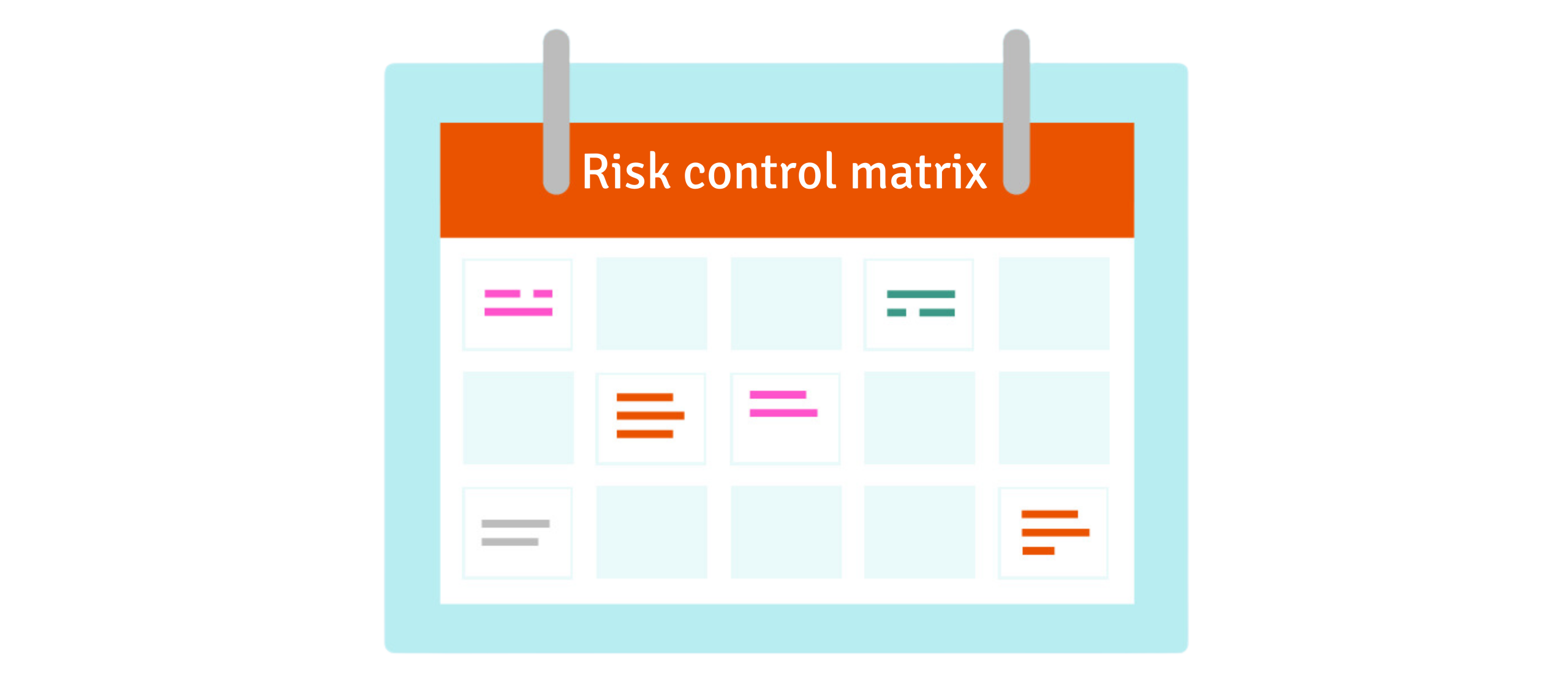
What is a risk-control matrix?

Master Your Purpose. Own Your Freedom. With ICR.

The purpose of a risk-control matrix is to clearly outline:

  • The risks inherent in a process
  • The control measures implemented to mitigate these risks to an acceptable level

By using this matrix, you can systematically document how you manage risks within your processes. Additionally, regular testing ensures that the implemented controls function as expected. Risks are prioritized based on the likelihood of their occurrence and the potential (financial) impact on the organization.

The matrix aids in identifying and categorizing potential risks faced by an organization. By naming risks in a structured manner, organizations gain better insights into their operational environment. Using the matrix, organizations can evaluate the severity and probability of various risks, allowing them to prioritize those that have the greatest impact on their goals and activities.

Based on identified risks, an organization can develop effective control measures to reduce or manage these risks to an acceptable level. These measures can range from operational procedures to investments in technological solutions. The risk-control matrix provides a structured framework for communicating risk information within the organization and with stakeholders such as investors, regulators, and customers. It also enables organizations to regularly report on the status of risks and the effectiveness of control measures.

In summary, a risk-control matrix helps organizations proactively identify, evaluate, and manage risks, which is essential for achieving their objectives and ensuring long-term success.

From understanding to organizational clarity

Understanding individual business concepts is valuable. Connecting them and putting them into practice is what makes the difference. It all begins with clarity.

The ICR Organizational Operating System, brought to life through the ICR Growth & Success SaaS Platform, connects the Ultimate Stakeholders’ Ambition, business model, strategy, organizational design and daily execution into one coherent organizational system. It helps leaders and teams make direction, responsibilities and decision-making explicit, reduce dependence on specific individuals, and make progress, risks and opportunities for improvement visible.

Clarity. Confidence. Peace of Mind.

But why was ICR developed in the first place?

Discover the story behind ICR

Place comment

Continue learning in the Route ICR Community

Explore practical resources, exchange insights and deepen your understanding of how the ICR Organizational Operating System can support the development of your organization.